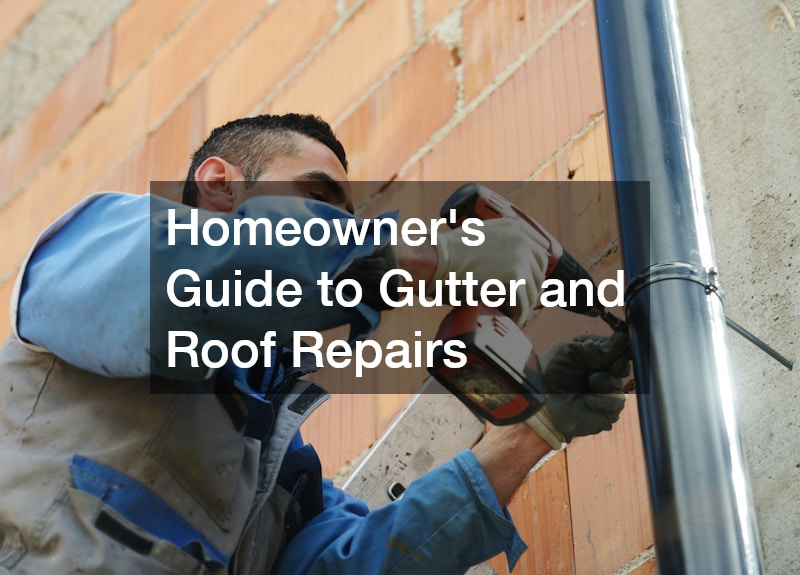
Your roof and gutter system work together to protect nearly every part of your home. The roof sheds water, and the gutters carry it away before it can damage siding, fascia, landscaping, or the foundation. When one part of that system starts to fail, the effects can spread fast. A loose gutter, a patch of missing shingles, or a clogged downspout may seem minor at first, but small issues often lead to bigger repairs when they are ignored.
That is why homeowners benefit from taking a practical, proactive approach. You do not need to be an expert to spot early warning signs or make smarter decisions about maintenance and repairs. What matters is knowing what to look for, when to act, and when it is time to call in a professional.
Inspect the Exterior After Storms and Seasonal Changes
A good repair plan starts with regular observation. The best time to check your roofline is after major weather shifts, including heavy rain, wind, snow, or freezing temperatures. Seasonal transitions also tend to reveal weak spots that developed slowly over time.
Walk around the home and look closely at the roof edge, downspouts, fascia boards, soffits, and the ground near the foundation. You are looking for anything that suggests water is not draining properly. Sagging sections, overflowing gutters, loose fasteners, missing shingles, or peeling paint can all point to developing problems.
Consistent roof maintenance helps homeowners catch issues before they turn into leaks or structural damage. The same goes for early gutter repair. A small separation at a seam or one section pulling away from the house can allow water to run behind the gutter and soak nearby wood.
A simple checklist can help:
-
Look for loose, cracked, or sagging gutter sections
-
Check for shingle damage or missing tabs
-
Inspect flashing areas around chimneys, vents, and valleys
-
Watch for water stains or wood discoloration near the roofline
-
Check whether downspouts discharge water away from the house
Photos are useful here. Taking pictures during each inspection makes it easier to compare changes over time and notice damage that might otherwise seem gradual.
Learn the Warning Signs of Bigger Roof Problems

Not every roofing issue requires major work, but some signs suggest that the problem is more than routine aging. Knowing the difference can help you act before damage spreads.
On an asphalt shingles roof, warning signs often include curling edges, missing granules, dark streaks, cracked shingles, or repeated blow-offs after storms. If large sections look uneven or worn at the same time, the problem may be broader than a simple repair.
Inside the home, pay attention to water stains, damp attic insulation, peeling paint near the ceiling, or musty smells. These clues may suggest moisture is getting through the roofing system even if the leak is not obvious from the outside.
This is when experienced roof contractors become especially valuable. They can determine whether the issue is isolated, such as a damaged area around flashing, or whether it points to larger failure across the roof.
Watch closely for these signs:
-
Leaks appearing in more than one area
-
Sagging roof sections
-
Heavy granule buildup in gutters
-
Shingles lifting or curling in multiple spots
-
Moisture or mold in attic spaces
When several symptoms appear together, delaying action usually makes the problem more expensive.
Keep Gutters Clear Before Overflow Causes Damage
Gutters are easy to ignore until they overflow, but regular cleaning is one of the simplest ways to prevent water damage. Leaves, twigs, granules, and roof debris can block water flow surprisingly fast, especially in homes surrounded by trees.
Once gutters clog, rainwater has nowhere to go. It spills over the front edge, backs up under the roofline, or pours too close to the foundation. Over time, that can damage fascia boards, siding, basement walls, and landscaping.
A safe cleaning routine should include:
-
Removing debris by hand with gloves
-
Flushing the channel with a hose
-
Checking that downspouts run freely
-
Watching for spots where water pools instead of draining
-
Looking for loose brackets or leaking joints
If the same areas clog repeatedly, the issue may not be maintenance alone. In that case, gutter installers may recommend changes such as better pitch, larger gutters, or gutter guards. A local gutter contractor can also assess whether the layout itself is contributing to the problem.
The goal is not only to clean out debris. It is to make sure rainwater moves quickly and reliably away from the house.
Fix Small Drainage Issues Before They Spread
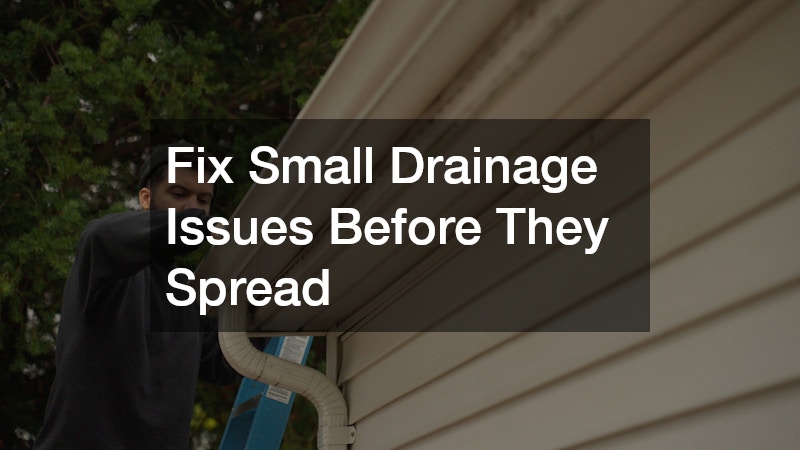
Many homeowners put off minor gutter problems because they seem harmless. But repeated exposure to water in the wrong place can quietly damage wood trim, masonry, and the foundation over time.
Small-scale gutter repair often includes fixing seam leaks, tightening loose hangers, rehanging sloped sections, or reconnecting downspouts. These are not dramatic repairs, but they matter because even a slow drip can cause ongoing deterioration.
Watch for common red flags such as:
-
Rust spots or tiny leaks at seams
-
Gutters pulling away from fascia
-
Water streaks on siding
-
Soil erosion below downspouts
-
Soft or stained wood near the roof edge
Some simple fixes may be manageable for homeowners, but it is important to be realistic. If the gutter system is aging, poorly aligned, or failing in several places, patching one area may not solve the bigger issue. Addressing problems early is almost always cheaper than replacing damaged trim or dealing with interior water intrusion later.
Clean the Roof Carefully to Avoid Creating New Damage
A dirty roof is not just a cosmetic issue. Algae, moss, and debris can trap moisture, shorten material life, and hide developing problems. But cleaning needs to be done carefully, because the wrong method can do more harm than good.
Roof washing should never be treated like blasting a driveway with pressure. High pressure can strip granules from shingles, loosen flashing, and force water where it does not belong. A gentler cleaning approach is usually safer and more effective.
Pairing roof washing with regular roof maintenance makes the most sense. Once debris and staining are removed, it becomes easier to inspect for worn areas, lifted shingles, or trouble spots around valleys and flashing.
Good roof cleaning practices usually include:
-
Removing branches and loose debris first
-
Using methods appropriate for the roofing material
-
Avoiding aggressive pressure
-
Protecting landscaping below from runoff
-
Inspecting for hidden damage during the process
Cleaning is part of preservation, not just appearance. A cleaner roof sheds water more effectively and gives you a better chance of spotting small issues early.
Know When a Repair Is Worth It and When It Is Not

One of the toughest decisions for homeowners is whether to keep repairing the existing roof or start preparing for replacement. The right answer depends on the age of the roof, the type of damage, and how often problems keep returning.
A reliable roofing contractor should be able to explain whether the issue is localized or part of a larger pattern. If storm damage affects one section and the rest of the roof is in good shape, a repair may be the right move. But if leaks keep coming back, materials are wearing out across the whole surface, or multiple repairs have already been made, replacement may be more cost-effective.
This is why it helps to compare estimates from the best roofing companies rather than relying on one opinion. Better companies usually provide more detail about what is failing, what your options are, and how long each option is likely to last.
Ask questions like:
-
Is this damage isolated or widespread?
-
How much life is left in the current roof?
-
Will a repair solve the problem or just delay it?
-
Are there ventilation or decking issues underneath?
-
What warranty applies to the work?
A repair makes sense when it truly extends the life of the roof. If it only postpones a larger problem for a short time, it may not be the smartest use of money.
Choose Materials With Long-Term Maintenance in Mind
Roofing materials affect cost, appearance, durability, and future upkeep. The right choice depends on your climate, budget, and how much maintenance you are willing to handle over time.
For many homeowners, an asphalt shingles roof remains the most practical option because it is affordable, widely used, and relatively straightforward to repair. But in some situations, it makes sense to compare other systems as well, especially if you live in an area with heavy weather exposure.
If you are considering a metal roof, it is important to understand that metal roofing supplies include more than just panels. The system also depends on trim pieces, fasteners, underlayment, flashing details, and installation methods that all need to work together.
When comparing materials, think about:
-
Expected lifespan
-
Resistance to wind, impact, and algae
-
Repair difficulty
-
Upfront cost versus long-term value
-
Appearance on your style of home
-
Ongoing maintenance needs
The best material is not always the most expensive one. It is the one that fits your house, your climate, and your willingness to maintain it.
Choose Contractors Carefully Before Signing Anything

A quality repair depends heavily on who does the work. Even good materials can fail when the installation is rushed or poorly done. That is why hiring the right professional matters just as much as identifying the right repair.
Look for licensed and insured professionals with strong local experience. A local gutter contractor may better understand the drainage patterns, seasonal debris issues, and weather conditions common in your area. The same goes for a roofing contractor who regularly works on homes like yours and stands behind their work.
When comparing contractors, pay attention to how they communicate. Reliable professionals typically provide written estimates, explain the problem clearly, answer questions directly, and avoid vague promises or high-pressure tactics.
It is smart to ask:
-
Who will perform the work?
-
Is cleanup included?
-
What warranties apply?
-
How are change orders handled?
-
What is the projected timeline?
Take your time here. The cheapest estimate is not always the best value, especially if poor workmanship leads to repeat repairs later.
Build a Seasonal Maintenance Routine
The easiest way to avoid emergency repairs is to make roof and gutter care part of your regular home maintenance plan. Small, repeated attention is usually far less expensive than waiting for visible leaks or structural damage.
A simple seasonal approach works well:
-
Spring: inspect for winter damage and clear leftover debris
-
Summer: check for staining, algae, or heat-related wear
-
Fall: clean gutters after leaves drop and check drainage flow
-
Winter: watch for ice dams, snow load issues, and attic moisture
As roofs age, periodic inspections from roof contractors can also help catch subtle wear before it becomes a major problem. Homeowners planning upgrades may also benefit from consulting gutter installers if the current system frequently overflows or clogs despite regular cleaning.
Keep records of inspections, repairs, and photos. That documentation helps you track problem areas and can also be useful if you ever sell the home or need to file an insurance claim.
Prepare for Bigger Projects Without Losing Control of the Budget
When repairs turn into larger projects, preparation makes a big difference. Understanding the scope, timeline, and materials ahead of time helps prevent confusion and budget creep.
Get itemized estimates instead of broad verbal pricing. Compare labor, cleanup, disposal, warranty coverage, and material allowances carefully. The best roofing companies usually stand out by being more transparent about how the project will work from start to finish.
It is also important to ask whether certain materials require extra lead time. Specialty products, including some metal roofing supplies, may affect scheduling and cost.
Before major work begins:
-
Move vehicles away from the work area
-
Protect items stored in the attic or garage
-
Clear outdoor furniture and fragile items
-
Ask how debris and cleanup will be managed
-
Confirm payment terms and project milestones
A well-planned project is easier to manage and far less stressful for everyone in the house.
Gutter and roof repairs are easier to manage when you think of them as part of one connected protection system. A little attention at the right time can prevent water from turning a small issue into a major expense.
The most effective strategy is simple: inspect regularly, clean carefully, repair small problems early, and hire qualified help when the work goes beyond routine maintenance. Those habits protect not only the roofline, but also the siding, trim, foundation, and interior of your home.
With a practical plan and steady upkeep, homeowners can extend the life of both systems, reduce surprise repairs, and protect the value of the house over time.